
Owry partners with Schädel Engineering as Germany makes BIM mandatory for federal infrastructure
Stuttgart, Germany. Owry AI has signed a partnership with Schädel, a road and infrastructure engineering firm near Stuttgart.
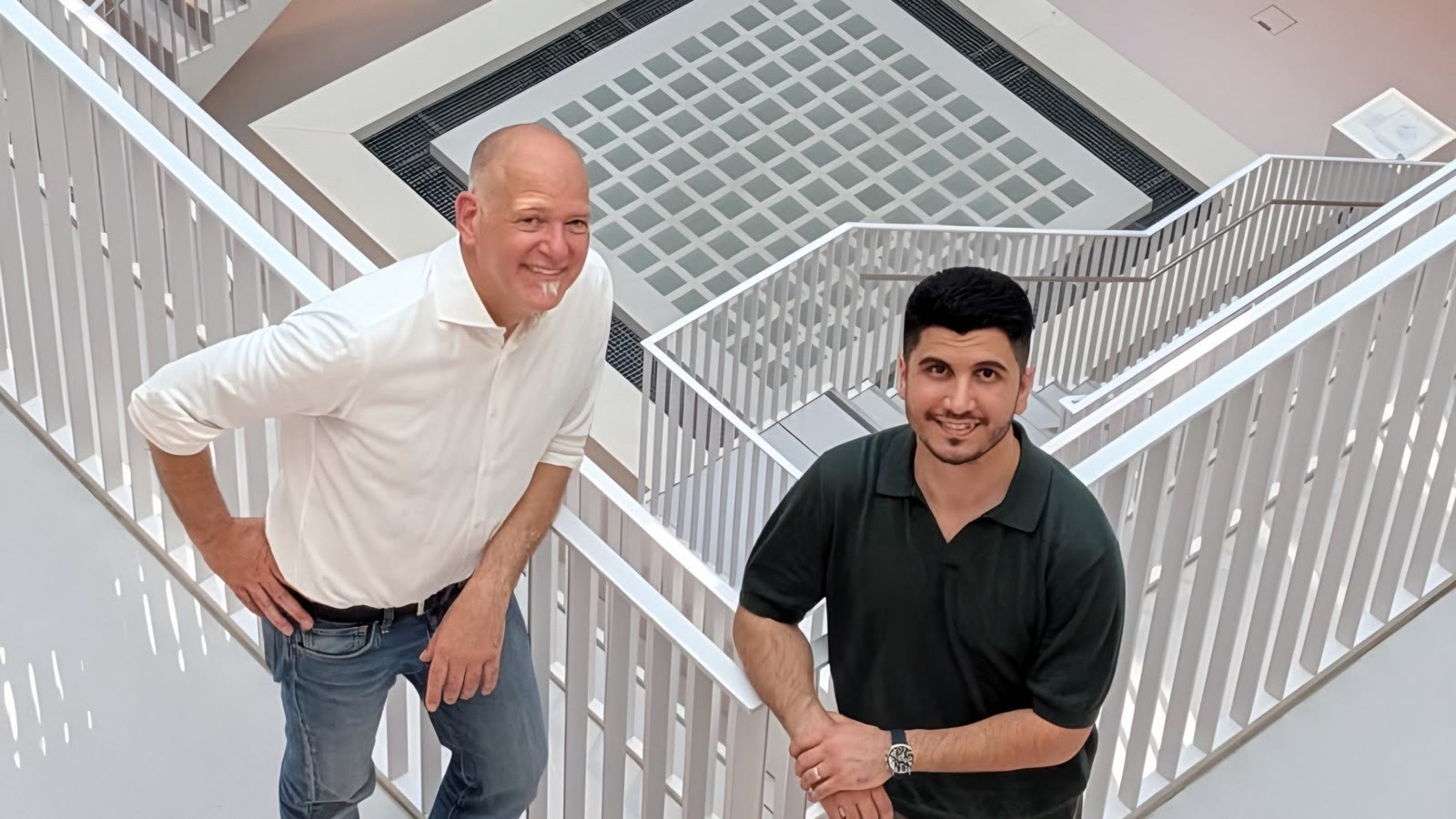
The timing is deliberate. 2026 is the year Building Information Modeling (BIM) becomes the standard process for planning federal trunk roads across Germany, and this partnership is Owry AI's first step into that market.
What the mandate changes on the ground
Requiring BIM on federal infrastructure work is a big shift for German engineering. Roads and infrastructure now have to be planned to the same digital modeling standards that architecture and building design adopted years ago.
A change like this rarely lands without friction. Almost overnight, hands-on BIM modeling went from a nice-to-have to a requirement for winning public work, and there simply aren't enough engineers who can do it.
Firms feel that first in headcount. A 25-person firm that used to run comfortably with three BIM modelers can now need seven or more for the same workload. That is more than double the specialists for a single skill set, and the cost lands on every project budget before a single clash is resolved or a single bid goes out.
Where the real cost hides: clash detection
BIM is not just a way to picture a project. Clients use the 3D models to pull Bills of Materials (BOM), run competitive bidding, and check for clashes before anyone breaks ground.
And every model throws up clashes. Pipes cross kerb foundations and manhole walls, utilities run into structure, systems overlap in ways nobody notices until someone looks closely. Most tools stop at flagging them and leave the fixing to engineers, one clash at a time.
That is real money. Teams can burn up to five hours in a single coordination meeting arguing over conflicts a machine could resolve on its own, and it repeats across every active project.
How Owry AI fits into the workflow
This is the gap Owry AI closes. Other tools detect a clash and hand it back. Owry detects it and solves it automatically, respecting the design intent, editing the model directly instead of writing up a report for someone to work through later.
Many flagged clashes are not errors at all. They are correct designs, such as a pipe entering its own manhole, that the design software could not model in full detail. Owry adds that missing detail, so the firm hands over a clash-free model.
Detection still leaves the coordination meeting on the calendar. Automatic resolution takes it off.
The difference sounds small, and it isn't. Those five hours go back to the engineer, spent on design and delivery instead of cleanup a system can handle.
For a firm like Schädel, that shows up in four places:
- 01Clashes fixed, not just flagged. The model comes back resolved, so engineers aren't hand-correcting geometry the system already understands.
- 02Time given back. The hours that used to disappear into coordination meetings return to real design work.
- 03Faster delivery. Cutting the back-and-forth shortens the path from model to construction-ready design.
- 04More capacity without more hiring. The same team can take on more projects instead of staffing up just to meet the mandate.
What comes next
Mandatory BIM is a real step forward, and it sets up the next one: using AI to manage the sheer amount of information these models now hold. That only works if the fundamentals are right first. The models feeding the pipeline have to be clean and construction-ready, or the payoff that BIM promises never quite arrives.
The partnership with Schädel is a step toward that standard. It gives one of the Stuttgart region's established infrastructure firms a way to meet Germany's new BIM requirements without doubling its modeling team to get there.
